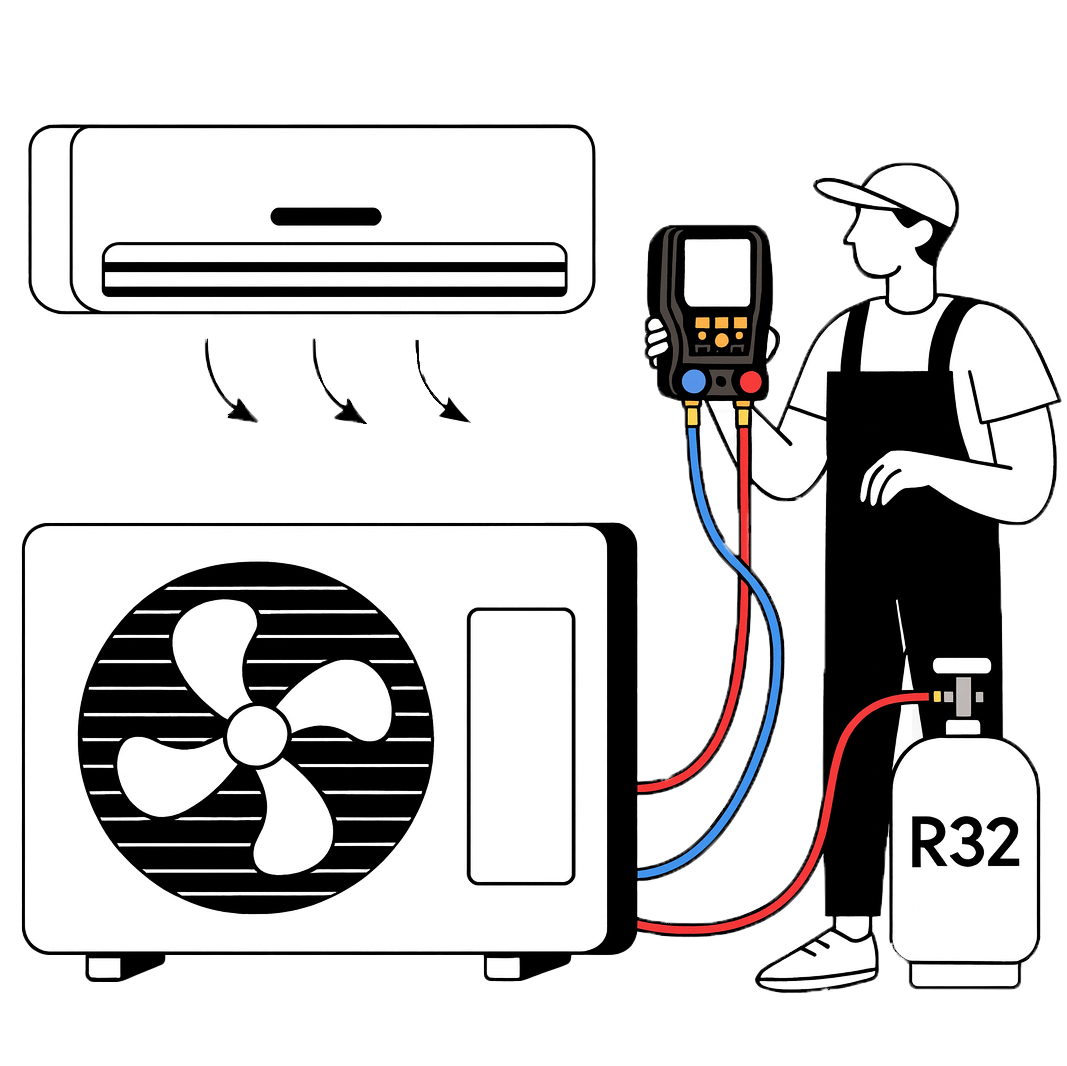
Refueling an air conditioner is one of the most common procedures for servicing HVAC equipment. Even with proper installation and a sealed route, freon gradually evaporates — about 5—10% per year. Therefore, every 2-3 years, the air conditioner requires refueling.
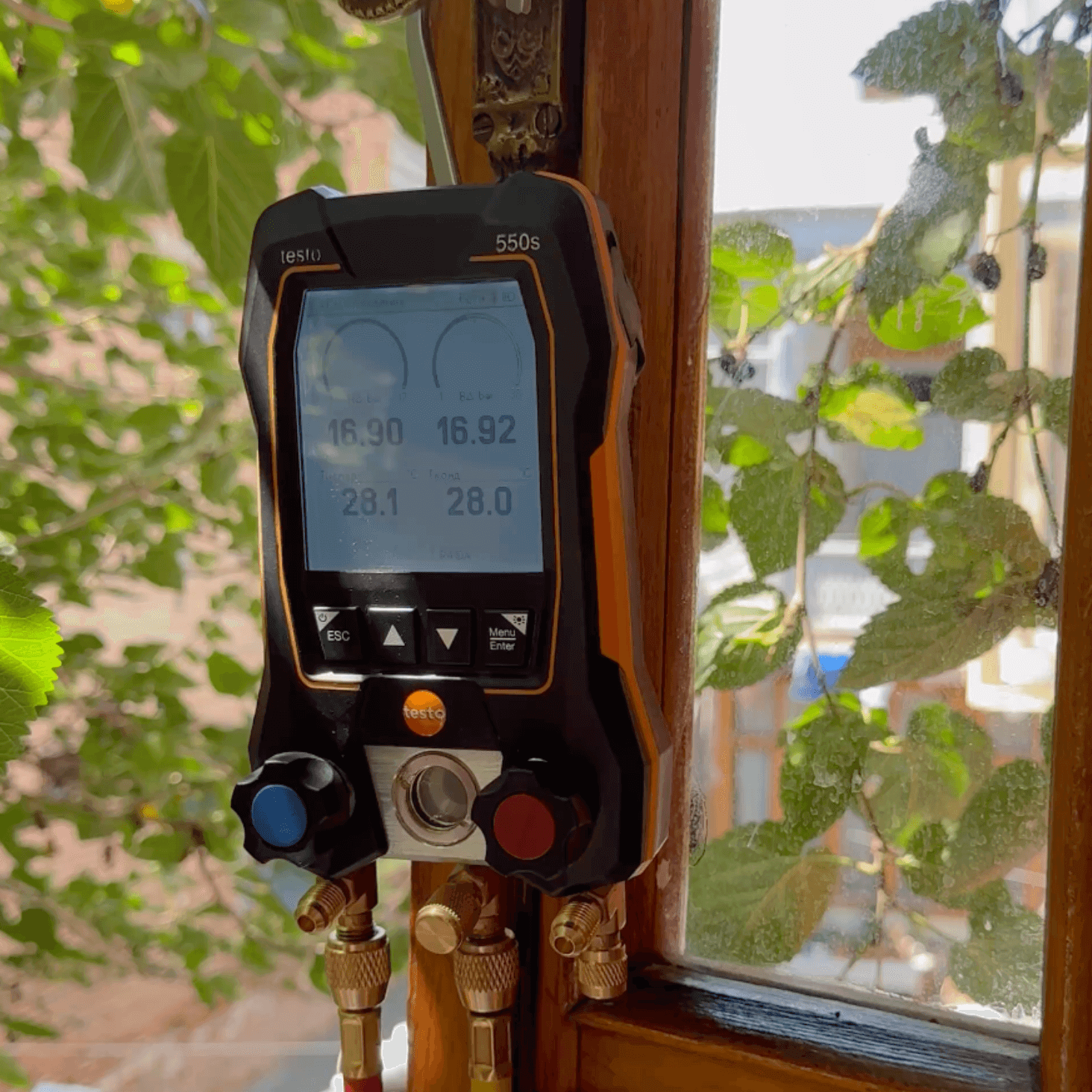
Freon (refrigerant) is a working medium that transfers heat from a room to the outside. It circulates in a closed circuit: a compressor, a condenser, a throttling device and an evaporator. If the pressure or amount of freon decreases, the efficiency of the system decreases — the air conditioner starts to cool worse, the load on the compressor increases, and electricity consumption increases.
Signs that the air conditioner needs to be refilled
Why does the leak occur
Leaks are most often associated with installation problems: poor rolling, improper nut tightening torque. Sometimes the cause is mechanical damage to the track or vibration of the outdoor unit.
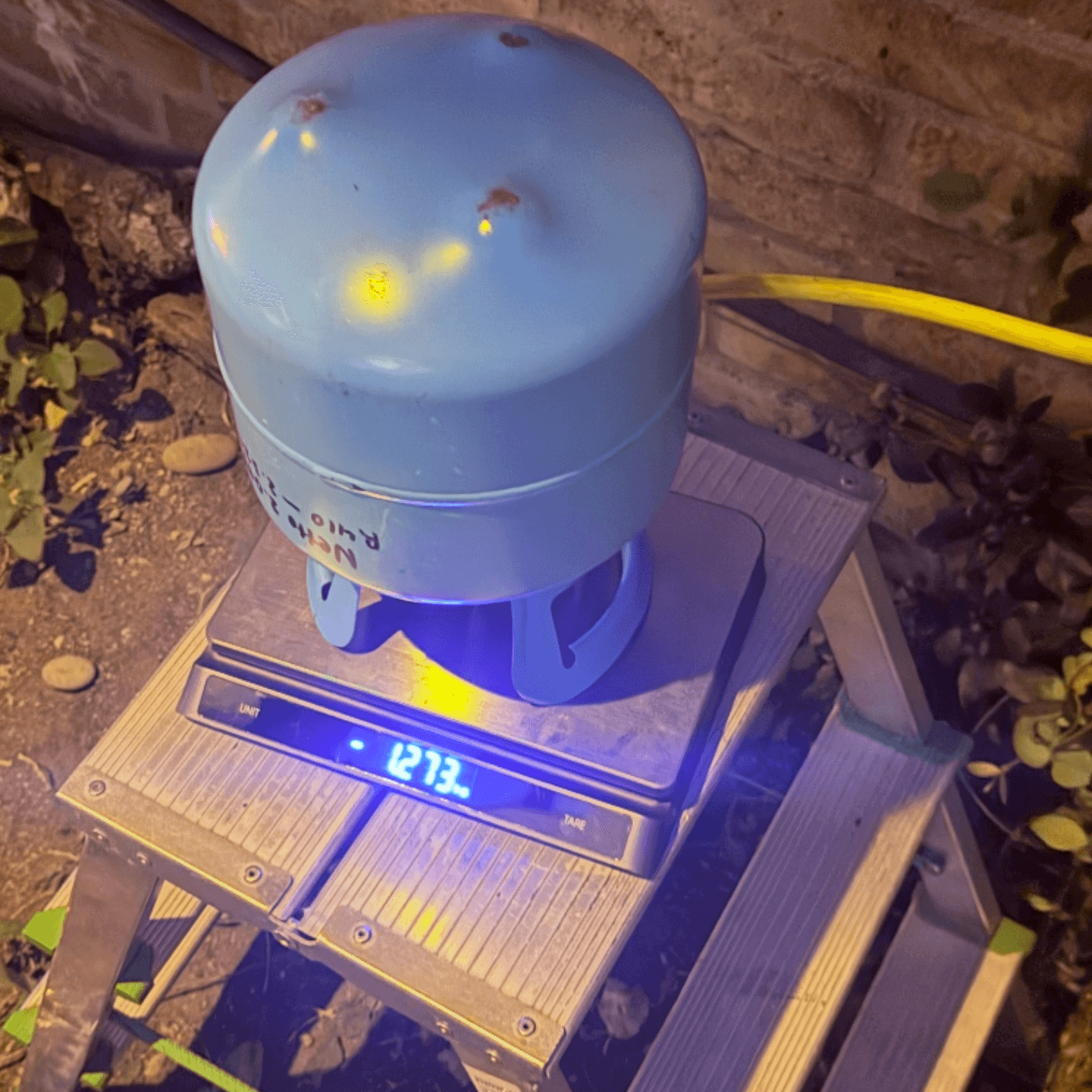
Some craftsmen serve freon without scales and without vacuum, focusing only on pressure — this is a gross mistake. The pressure depends on temperature and does not show the exact mass of the refrigerant. Excessive refueling overloads the compressor, while insufficient refueling impairs heat exchange.
Freons are not flammable (with the exception of R-32, which is slightly flammable at high concentrations), but they release toxic compounds when they come into contact with a flame. In addition, refrigerant leaks affect the climate, so they must be disposed of and refueled in accordance with regulations.
Refueling an air conditioner is not just “adding freon”, but a complete procedure with diagnostics, vacuuming and accurate dosage. Proper refueling extends the life of the compressor and ensures efficient operation of the system.
 Bookmark routes
If you want to install air conditioners and keep the pipes out of sight, we can do it



Discover a completely new air conditioning and ventilation service in Tbilisi






Copyright © AirFixer